Five Challenges We’re Helping Manufacturers Solve at MACH 2026
Key operational factors influencing manufacturing performance, efficiency, and consistency in modern production environments
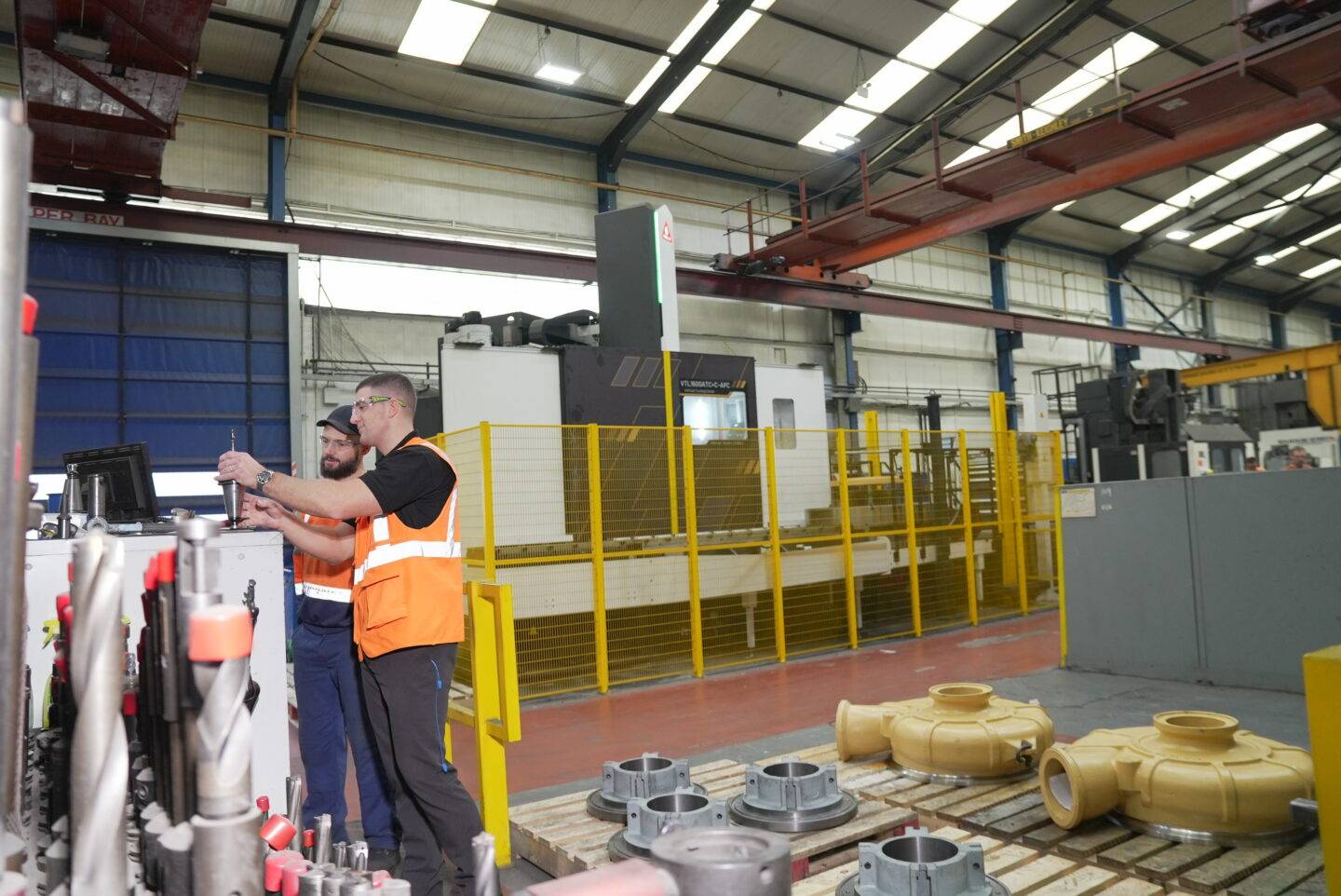
Manufacturing in the UK continues to evolve. As production demands increase and machining environments become more complex, engineers are facing a growing range of technical and operational challenges. At MACH 2026, Helix Tool Ltd will be focusing on the issues that matter most to manufacturers today.
Rather than positioning itself around products or catalogue offerings, Helix is using this year’s exhibition to highlight the practical challenges that dominate conversations on the shop floor. These are the issues that impact efficiency, cost-per-part and overall production stability.
- Understanding material behaviour in machining processes
One of the most common challenges manufacturers face is inconsistency in how materials respond during machining. Even within the same grade, variations can lead to unpredictable tool performance, surface finish changes and reduced process reliability. Helix focuses on helping engineers understand how material behaviour influences the wider machining process.
- Improving process stability and repeatability
Many production environments struggle with variation between batches or setups. Small changes in machine condition, tooling setup or cutting strategy can create significant differences in output. Helix works with manufacturers to identify the root causes of instability and improve consistency across production cycles.
- Reducing cycle time without compromising quality
Pressure to increase output often leads manufacturers to push processes harder, but this can introduce new risks. Helix supports teams in identifying where genuine efficiency gains can be made without negatively affecting tool life, surface finish or part integrity.
- Managing tool wear and performance variation
Tool wear is a constant challenge, particularly in difficult materials or high-volume production environments. However, premature wear is often a symptom of broader process conditions rather than the tool itself. Helix takes a holistic view to help manufacturers understand and address the underlying causes.
- Improving visibility and control of tooling usage
In many facilities, tooling remains a relatively unmanaged resource, with limited visibility over usage, stock levels and consumption patterns. This can lead to inefficiencies, downtime and unnecessary cost. Helix supports manufacturers in developing more structured approaches to tooling management.
Across all of these challenges, the common theme is that performance is rarely determined by a single factor. Instead, it is the interaction between materials, machines, tooling strategy and process control that defines success.
At MACH 2026, we invite you to bring own challenges to Stand 20-440 and engage in practical discussions aimed at improving real-world manufacturing performance.
Pre book a session with one of our team at MACH 2026