Five Practical Ways to Reduce the Impact of Rising Tool Costs
Practical ways manufacturers can reduce machining costs, improve productivity and manage the impact of tooling price increases.
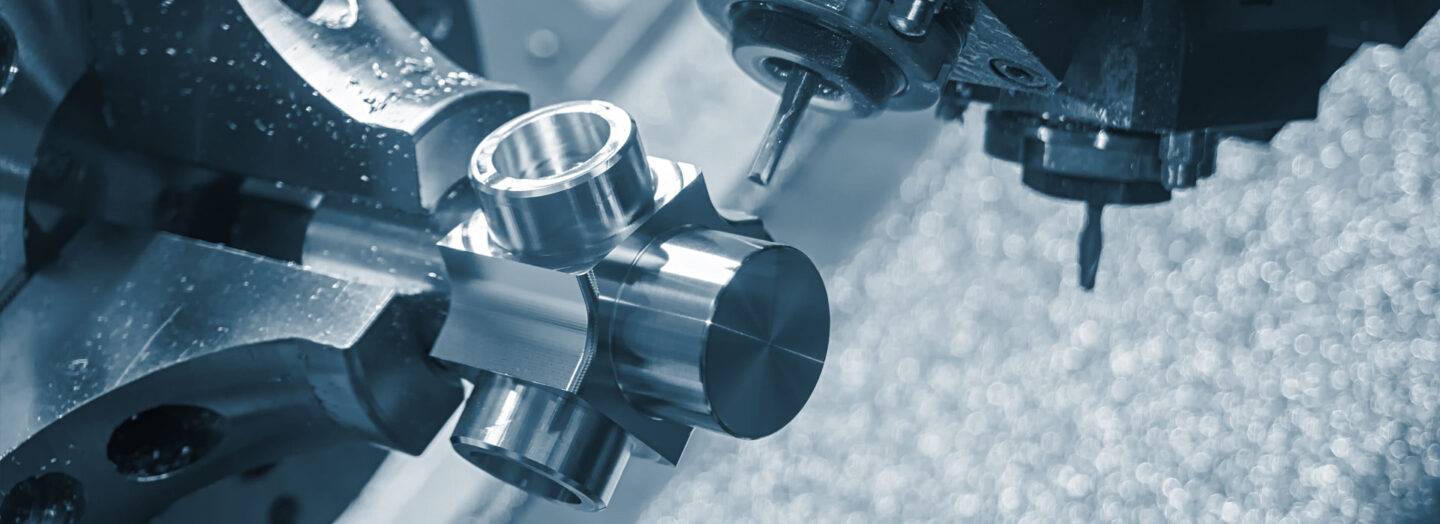
While the wider market continues to change, businesses can still take practical steps to improve productivity and reduce overall machining costs.
The key, therefore, is to focus on what can be controlled.
Rather than simply accepting higher costs, many businesses are taking the opportunity to review tooling strategies, optimise machining processes and improve overall productivity.
With that in mind, here are five practical areas that can often make the biggest difference.
-
Review Tool Performance – Not Just Tool Price
When costs increase, the first reaction is often to compare supplier prices. However, the purchase price of a cutting tool rarely tells the whole story.
Instead, it is important to consider how the tool performs in the application. For example, ask questions such as:
- How long is the tool lasting?
- Is tool life consistent?
- Are inserts being indexed correctly?
- Are tools being changed too early?
- Is downtime increasing because of tooling?
Ultimately, a slightly more expensive tool that delivers longer life, greater process stability or shorter machining times may reduce the overall cost of producing a component.
And looking beyond unit price often reveals greater opportunities for improvement.
-
Optimise Existing Applications
Machining processes naturally evolve over time.
Programs are updated, materials change, machines are replaced and production volumes fluctuate.
As a result, tooling strategies that were once optimal may no longer deliver the best performance.
For this reason, a simple application review can identify opportunities such as:
- adjusting cutting parameters
- selecting a more appropriate grade
- improving chip control
- reducing vibration
- increasing metal removal rates
- improving surface finish
Importantly, these improvements do not always require major changes. But can often deliver measurable productivity gains.
-
Standardise Tooling Where Practical
Many businesses gradually accumulate multiple tooling solutions performing essentially the same task.
Over time, different machines, different programmers and different tooling suppliers can all contribute to this complexity.
Due to this, businesses can end up with multiple approaches to the same machining requirements.
Where practical, standardising tooling can help:
- reduce inventory
- simplify purchasing
- improve stock control
- reduce operator confusion
- improve consistency across production
In addition, standardisation can make future planning considerably easier when market conditions change.
-
Improve Visibility of Tooling Usage
A lot of businesses know exactly what they spend on tooling. However, far fewer understand how that tooling is actually being used.
Better visibility can, therefore, help identify:
- frequently replaced tools
- unusually high consumption
- slow-moving stock
- duplicate inventory
- inconsistent usage between machines
- opportunities for consolidation
Without this information, it becomes difficult to understand where costs are truly being generated and this visibility creates better decision making.
-
Talk to Your Tooling Partner Before Problems Develop
One of the most valuable steps manufacturing businesses can take is to review their tooling strategy before future pricing adjustments begin to affect production planning.
A good tooling partner should do more than communicate supplier price increases.
They should be able to help review applications, discuss machining challenges and identify opportunities for improvement.
Sometimes the outcome is confirming that existing tooling remains the best solution. Sometimes relatively small changes deliver meaningful long-term savings.
Either way, early conversations create more options than last-minute decisions.
It’s About Total Manufacturing Performance
As pricing continues to evolve, it’s understandable that attention naturally turns to purchase cost.
However, the greatest opportunities often lie elsewhere.
Improving cycle times.
Increasing tool life.
Reducing machine downtime.
Improving process consistency.
Reducing scrap.
These factors frequently have a far greater influence on profitability than the cost of an individual cutting tool. This is why more manufacturers are moving away from simply asking:
“How much does the tool cost?”
and instead asking:
“How much does this process cost to run?”
That shift in thinking creates opportunities that remain valuable regardless of future price movements.
Continuous Improvement Never Stops
Manufacturing is constantly evolving.
Materials change.
Machines improve.
Production demands increase.
Customer expectations continue to rise.
Tooling strategies should evolve alongside them.
Regular reviews, application optimisation and better visibility of tooling performance help businesses remain competitive regardless of wider market conditions.
Changing market conditions may start the conversation. Continuous improvement is what delivers long-term value.
How Helix Can Help
At Helix, we work with customers to optimise machining performance – not simply supply cutting tools.
Our engineering team supports customers through application reviews, tooling optimisation, inventory management and productivity improvements designed to reduce overall machining costs.
If you’d like an independent review of your current tooling applications, speak to Helix about arranging a tooling optimisation review. Even small improvements can deliver significant long-term value.
Want more practical insights like this?