Is Your CNC Machine Spending Enough Time Producing Components?
Discover what machine utilisation really tells you, and why understanding the time between production runs matters.
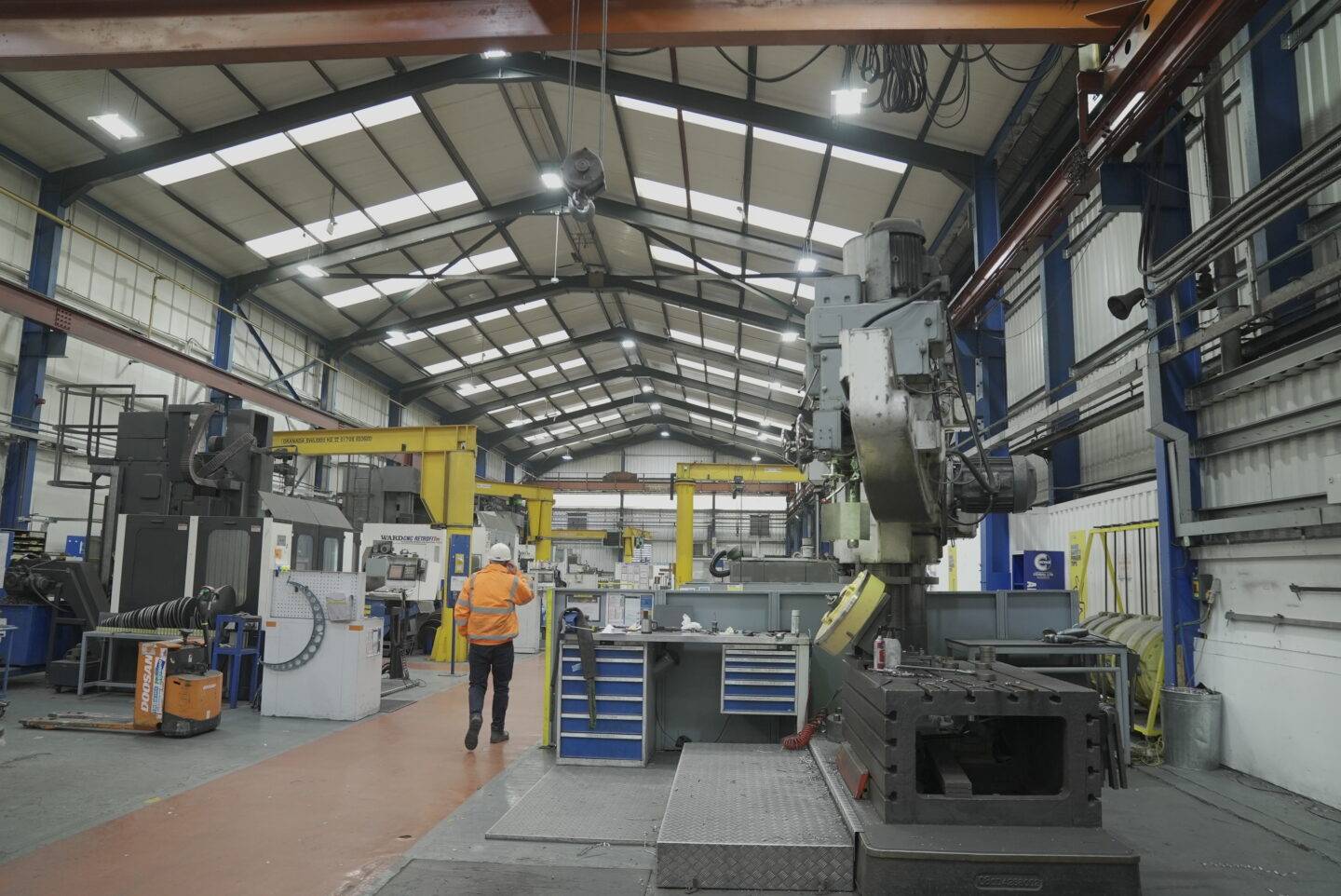
A CNC machine can be available, operational and ready to produce, but how much of its available time is actually spent manufacturing components?
It is an important question for businesses looking to understand how effectively their existing production capacity is being used.
Machine utilisation is often discussed as a measure of manufacturing performance. However, the figure itself only tells part of the story. Understanding what happens during the time a machine is not producing components can provide a much clearer picture of how effectively capacity is being used.
For manufacturing businesses investing in machinery, making sense of that difference is an important part of production planning.
What does machine utilisation actually measure?
Machine utilisation is generally used to understand how much of a machine’s available or scheduled time is spent carrying out production.
The precise calculation can vary between businesses, depending on how available time, planned stoppages and production activity are defined.
At its simplest, it involves comparing the time a machine spends producing against the time it was expected to be available for production.
For example, if a machine is scheduled for eight hours of production but spends six hours producing components, it has achieved 75% utilisation on that basis.
That figure provides a useful starting point, but it does not explain why the remaining two hours were not spent producing.
Were they required for planned maintenance? Was the machine waiting for the next job? Were there setup activities to complete? Or was production interrupted unexpectedly?
Without understanding the reasons behind the figure, it is difficult to know whether there is a genuine opportunity to improve.
Available time and productive time are not the same
A machine being available does not necessarily mean it is producing.
Between production runs, there may be periods of preparation, inspection, maintenance, changeover or waiting for materials and other resources.
Some of these activities are essential to maintaining a reliable manufacturing operation. Others may represent opportunities to review how production is organised.
It is important to distinguish between the two.
For example, planned maintenance takes a machine out of production temporarily, but it plays an important role in maintaining equipment condition and reducing the risk of unexpected failures.
Similarly, time spent checking the first components from a new setup is part of maintaining the required quality.
The objective should not be to eliminate every period when a machine is not cutting. It should be to understand where time is being used and whether the balance is appropriate for the operation.
Understanding where production time goes
A machine utilisation figure becomes much more useful when it is supported by an understanding of what is happening during the production day.
Looking at different types of stoppage and non-production activity can help manufacturers build a more accurate picture.
For example:
- Planned maintenance: Time allocated to servicing, inspection and preventative maintenance.
- Setup and changeovers: Time required to prepare the machine for a different component or production run.
- Waiting time: Periods when the machine is ready but production cannot proceed because materials, tooling, programmes or other requirements are unavailable.
- Unplanned stoppages: Unexpected interruptions that prevent production from continuing.
- Production activity: Time spent manufacturing components to the required specification.
Recording and reviewing these activities can help identify where available machine time is going.
It can also prevent businesses from making assumptions based on a single utilisation percentage.
A machine with a lower utilisation figure is not necessarily performing poorly. The reasons behind that figure, the type of work being produced and the production requirements all matter.
Why the reasons matter more than the percentage
Increasing machine utilisation is not automatically the right objective.
Running equipment for longer may not improve overall manufacturing performance if it creates additional maintenance requirements, compromises quality or simply moves a bottleneck elsewhere in production.
Equally, a high utilisation figure does not guarantee that a machine is producing the required output efficiently.
The more useful question is whether the available capacity is being used in a way that supports the wider requirements of the business.
For some businesses, that may mean reviewing how production is scheduled. For others, it may involve understanding recurring stoppages, improving the preparation of jobs or ensuring that the resources needed for production are available when required.
The right response depends on what the information reveals.
Making better use of existing capacity
Understanding machine utilisation provides manufacturers with a stronger basis for decisions about their existing equipment.
It can help identify patterns, highlight recurring interruptions and provide a more informed view of where production time is being spent.
It can also help businesses make better decisions about future investment.
Before considering additional machinery, it is worth understanding how effectively current capacity is being used and whether there are practical opportunities to make better use of the equipment already in place.
At Helix, we recognise that tooling is one part of this wider picture. Reliable tooling availability and the right application support can contribute to keeping production moving, while helping manufacturers get the performance they need from their machining processes.
Ultimately, the value of understanding machine utilisation is not simply achieving a higher percentage.
It is knowing where production time goes, understanding what influences it and using that information to make better decisions about manufacturing capacity.
Want more practical insights like this?