Process Resilience: Keeping Manufacturing Predictable Under Pressure
Why manufacturers who design for consistency outperform competitors in today’s complex production environment.
UK manufacturers operate under intense pressure. Tighter tolerances, higher-mix production and increased material complexity mean that even minor variations in process can quickly escalate into downtime, scrap, or reduced output. While selecting the right tools and machines is critical, process resilience – the ability to perform reliably despite variation – is often the true differentiator between efficient operations and costly disruption.
Where instability creeps in
Even small inconsistencies can have a disproportionate impact. Common sources of variability include:
- Material differences between batches or suppliers
- Variations in fixturing, workholding, or machine setup
- Operator technique and shift-to-shift practices
- Minor machine wear or differences in maintenance schedules
These issues rarely appear in isolation, but together they can cause tool life to drop, cycle times to fluctuate and quality to vary. Without careful attention, minor process deviations compound, creating unplanned downtime and rising cost-per-part.
Standardisation as a foundation for resilience
Process resilience starts with standardisation. By defining and applying consistent operating methods, manufacturers reduce the risk of variability impacting performance. Key strategies include:
- Standard cutting parameters for each material and application
- Repeatable fixturing and setup procedures
- Clearly defined operating windows for feeds, speeds, and tool engagement
- Proactive checks and maintenance schedules
These measures allow teams to respond quickly to deviations, ensuring operations remain predictable even under changing conditions.
Engineering expertise makes the difference
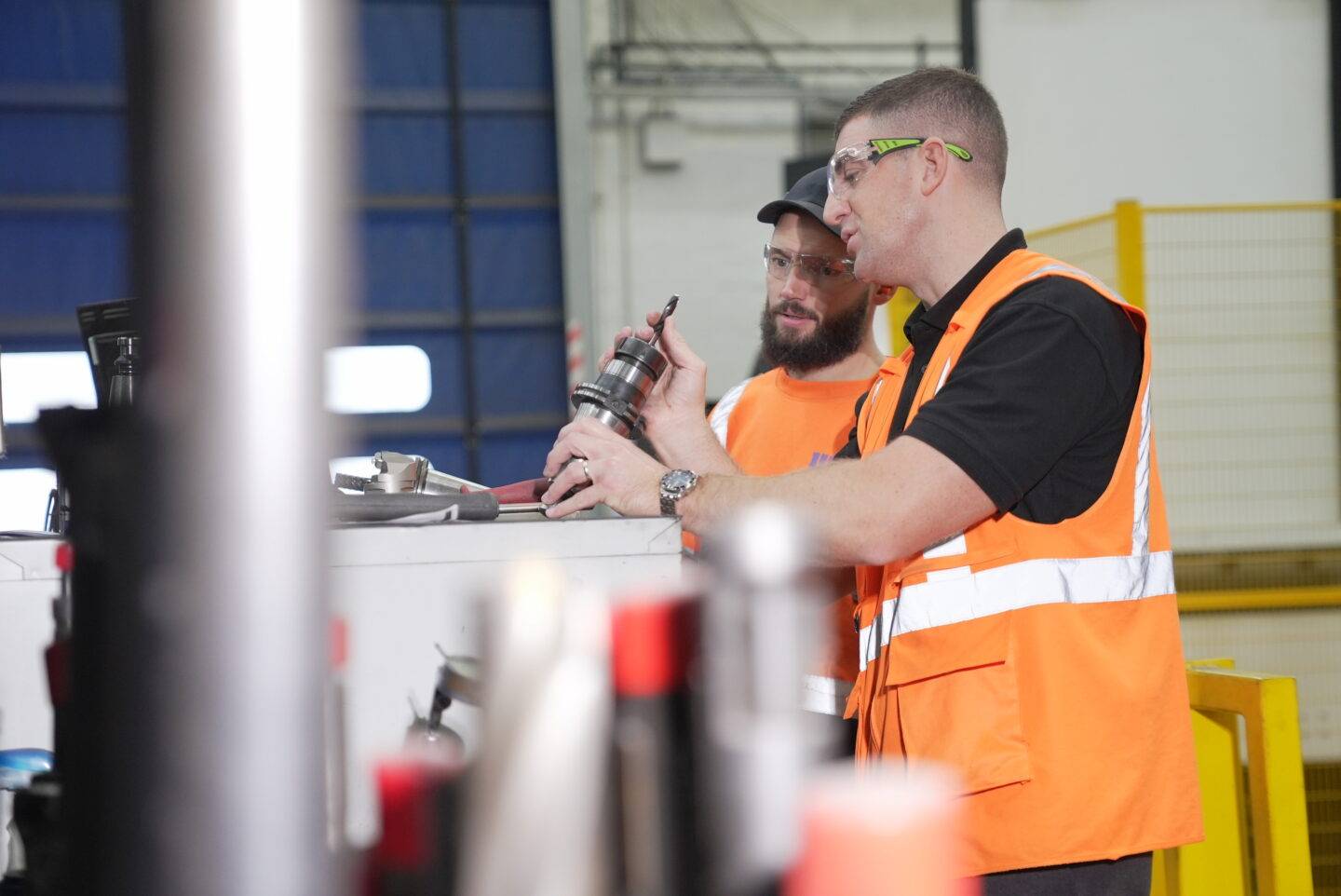
Resilience is not just about following procedures, it’s about knowing where to focus effort. Helix engineers work alongside manufacturers to assess processes holistically, observing real-world conditions on the shop floor and validating parameters under production load.
Through small, targeted adjustments – optimising workholding, refining cutting strategies, or recommending preventative tool changes – engineers can deliver measurable improvements in tool life, process stability and throughput, often without additional investment.
Turning predictability into performance
A resilient process doesn’t just protect quality, it improves efficiency and reduces costs. Predictable tool life and cycle times enable better scheduling, fewer emergency interventions and more effective resource allocation. The outcome is lower cost-per-part, reduced scrap and more confident planning across the operation.
Building resilience into the culture
Achieving lasting process consistency also requires buy-in from operators and production teams. Clear procedures, training and regular conversation help embed best practices, making resilience part of day-to-day operations rather than an occasional corrective measure.
Conclusion
Tools and machines are essential, but the processes around them define performance. By designing for consistency, standardising operations and leveraging on-site engineering expertise, manufacturers can reduce variability, maintain output under pressure and achieve repeatable, predictable results.
In a world where small inconsistencies can have significant consequences, process resilience is no longer optional – it is a competitive advantage. Manufacturers who prioritise it protect throughput, optimise cost-per-part and create operations that perform reliably, even in the most complex production environments.