The Hidden Cost of “Good Enough” Manufacturing
Why small inefficiencies quietly erode productivity, profitability and competitiveness.
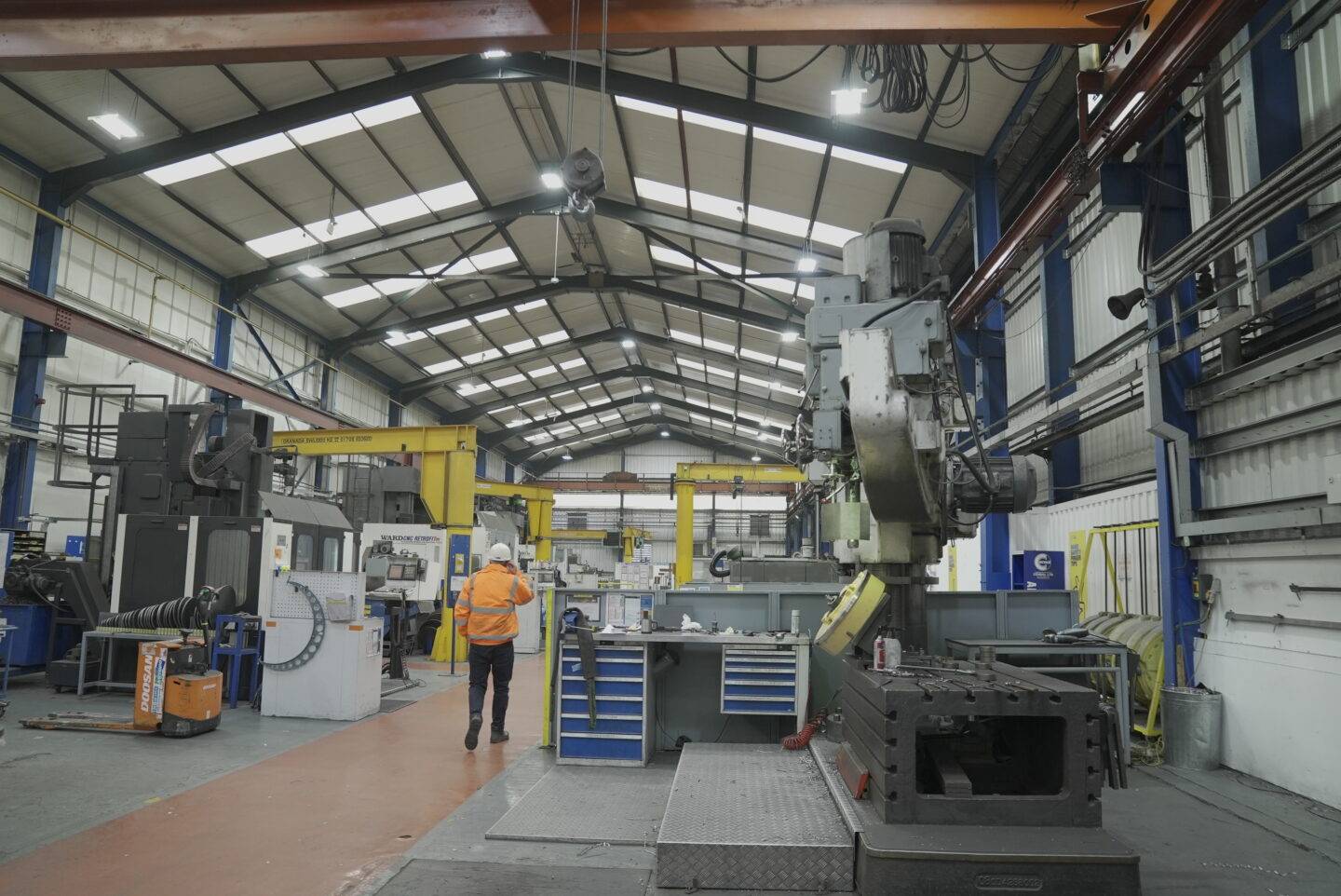
In manufacturing, major failures are easy to identify. Machine breakdowns, scrapped components and missed deadlines demand immediate attention because their impact is visible and immediate.
The greater challenge often comes from the issues that do not appear urgent.
Small inefficiencies such as; slightly extended cycle times, inconsistent tool life, repeated minor stoppages, excessive tool changes, or unnecessary operator intervention are often accepted as part of normal production. Individually, they seem insignificant. Collectively, they can create operational problems.
For many manufacturers, “good enough” processes become embedded into day-to-day operations simply because production continues to run. Parts are still being produced, schedules are still being met and problems are not severe enough to justify major disruption. However, this way of thinking can quietly reduce profitability, limit capacity and prevent meaningful process improvement.
The operational impact of small inefficiencies
In modern manufacturing environments, margins are increasingly tight. Material costs continue to rise, lead times remain under pressure and customers expect consistent quality alongside shorter delivery windows.
Under these conditions, even modest inefficiencies can have a disproportionate impact.
Examples include:
- Tooling strategies that create unnecessary wear
- Minor process instability leading to inconsistent finishes
- Repeated manual intervention during machining cycles
- Excessive setup adjustments between batches
- Poor chip evacuation affecting cutting performance
None of these issues may stop production entirely, but each consumes time, resource and engineering attention.
Over weeks and months, these inefficiencies increase cost-per-part, reduce available spindle time and limit operational flexibility.
Why inefficiencies often go unchallenged
One of the biggest risks in manufacturing is familiarity.
When operators and engineers work around the same limitations every day, inefficiencies gradually become accepted as unavoidable. Processes that were initially temporary solutions become standard operating practice.
This is particularly common in high-pressure production environments where maintaining output takes priority over reviewing process performance.
As a result, opportunities for improvement are often missed not because they are technically difficult, but because they are no longer questioned.
The value of external engineering perspective
Fresh engineering insight often reveals opportunities that internal teams no longer notice.
Helix engineers regularly work with manufacturers to review machining processes under real production conditions, identifying practical improvements that can be implemented without significant disruption or capital investment.
In many cases, measurable gains come from relatively small adjustments, including:
- Refining cutting strategies
- Improving coolant application
- Optimising workholding
- Reducing unnecessary tool changes
- Standardising setup procedures
These changes may appear incremental individually, but together they can significantly improve process efficiency, throughput and operational consistency.
Performance is rarely limited by one major issue
Manufacturing performance is usually shaped by the accumulation of smaller decisions and process behaviours rather than a single major problem.
The most competitive manufacturers are often not those with radically different machines or tooling, but those that continuously refine and optimise the details others overlook.
This approach creates more stable production, better use of engineering resource and lower overall operational cost.
Conclusion
“Good enough” manufacturing rarely remains good enough for long.
As production demands increase and competitive pressure continues to grow, small inefficiencies become increasingly expensive. Manufacturers who challenge accepted limitations, review processes critically and pursue continuous improvement place themselves in a stronger operational position.
Helix works with manufacturers to identify these opportunities, applying practical engineering insight to improve efficiency, stability and long-term manufacturing performance.
Discover where hidden inefficiencies are limiting your production performance. Speak with Helix about a practical process review.
Why not get more practical insights like this?