What Should a Tooling Review Actually Look At?
A tooling review can reveal practical opportunities to improve performance, efficiency and inventory control.
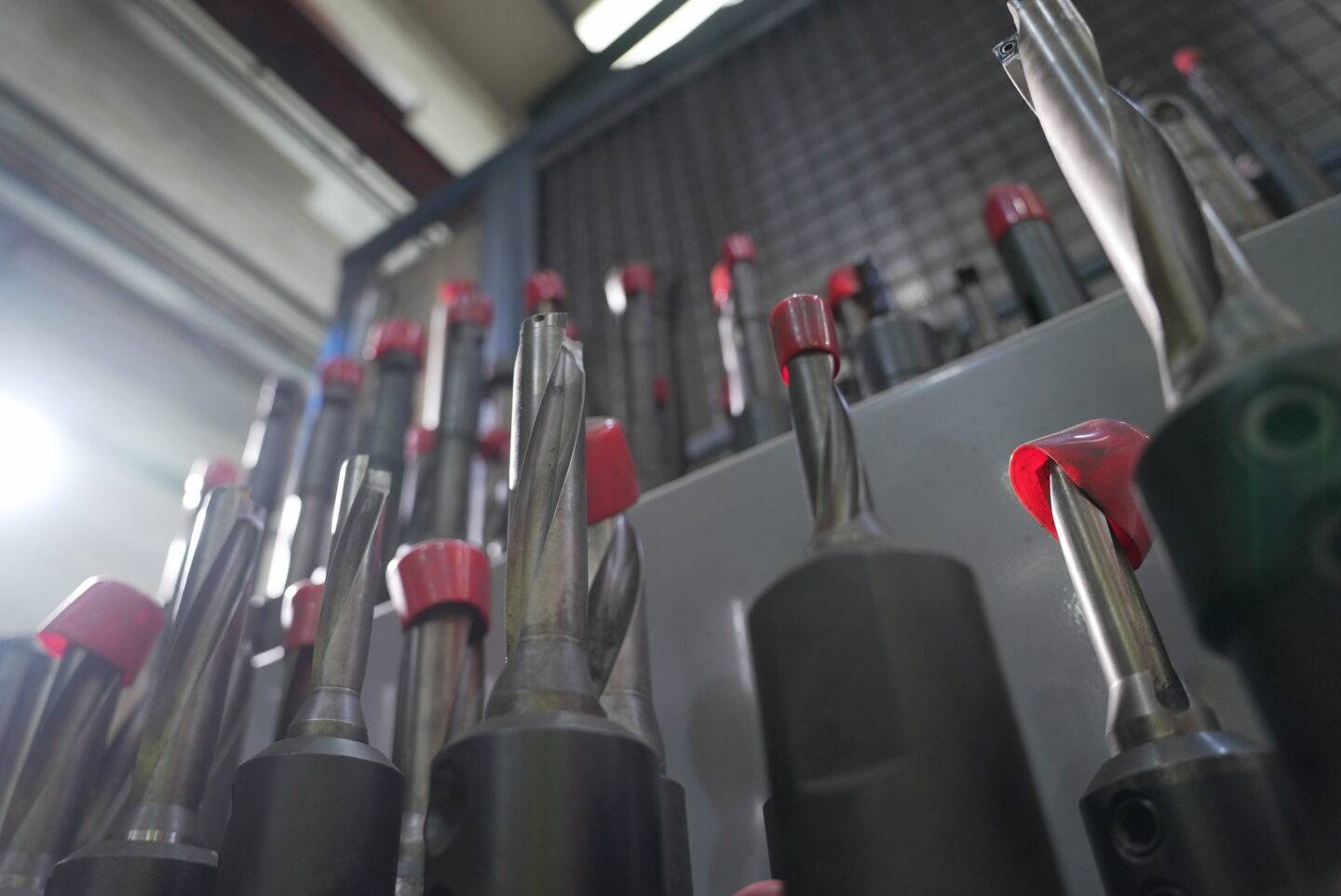
A tooling review should be about more than comparing prices between suppliers.
A useful review considers how tooling is performing within the manufacturing process and where realistic opportunities for improvement may exist.
Start with the applications
The first questions should relate to what is actually being machined.
Which materials are being used?
Which tools are being selected?
How long are they lasting?
What cutting conditions are being applied?
Are there recurring issues with tool failure, surface finish, consistency or productivity?
These questions establish a picture of current performance before changes are recommended.
Look beyond the tool
The wider process also matters.
Cycle time, tool-change frequency, downtime and component quality can all influence the overall value delivered by a tooling solution.
For example, a tool that has a slightly higher purchase price may still provide better value if it reduces tool changes or allows a process to run more efficiently.
Equally, a low-cost tool may not represent good value if it produces inconsistent results or requires frequent replacement.
Review inventory too
Tooling reviews can also provide an opportunity to look at stock.
How many different products are being held?
Which are regularly used?
Are there duplicated tools?
Are there frequent shortages?
Are there products being held that are rarely required?
Understanding this can identify opportunities for rationalisation and improved inventory control.
Not every process needs changing
This is an important part of a good tooling review.
The objective should not be to change tooling simply because a review is taking place.
Sometimes the correct conclusion is that the existing solution is performing well.
In other cases, the opportunity may be a relatively small adjustment to cutting conditions, tool geometry, toolholding or stock control rather than a completely different product.
A complete picture
A useful tooling review therefore brings together tooling, application and production information.
Looking at those areas together provides a much clearer picture of where improvements may be possible.
The result might be better tool life, improved consistency, reduced inventory, fewer tool changes, shorter cycle times or simply greater confidence in the existing process.
That makes a tooling review a process-improvement exercise rather than simply a purchasing exercise.
The best outcome is not necessarily to buy different tools.
It is to understand whether the current tooling strategy is delivering the performance the manufacturing process requires and identify where a change could make a measurable difference.
Want more practical insights like this?