Why Is Inventory Visibility Important?
Discover how better tooling inventory visibility improves control, availability and manufacturing efficiency.
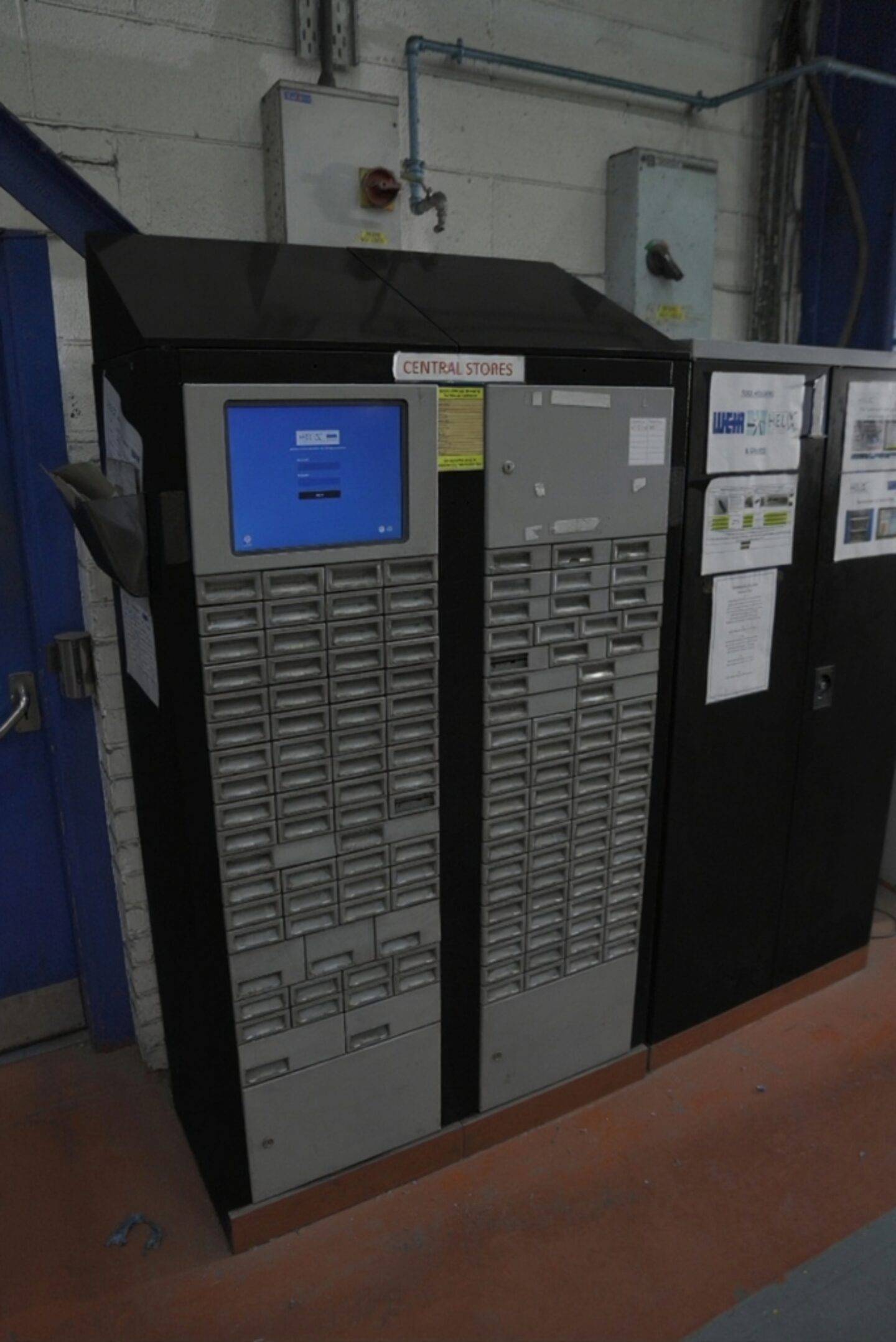
Cutting-tool inventory is easy to overlook.
Individual tools may have relatively modest purchase values, but the total stock held across stores, machines and production areas can become significant.
More importantly, not knowing what is available can create unnecessary work and unexpected disruption.
When visibility is poor
If an operator cannot find the required tool, time can be spent searching for it, checking alternative locations or ordering another one.
A tool may technically be in stock but effectively unavailable because nobody knows where it is.
The opposite problem can also occur.
Businesses can hold significant quantities of products that are rarely used simply because there is limited visibility of actual consumption.
Both situations create unnecessary cost. Poor visibility can also lead to reactive purchasing and avoidable disruption. Read more about the real cost of reactive tooling supply.
What does better visibility provide?
Inventory visibility provides a clearer picture of what is being held, what is being consumed and what needs replenishing.
This can help reduce avoidable shortages while providing greater control over stock levels.
It can also support purchasing decisions.
Rather than relying entirely on assumptions or manual checks, usage information can help identify which tools are regularly consumed and which products are tying up inventory without being used.
More than a stock-control issue
The benefits are not purely financial.
Better visibility can reduce the time operators spend searching for tooling, improve availability and provide greater confidence that the required products are where they need to be.
It can also help identify patterns in usage.
For example, consistently high consumption of a particular tool may indicate an important production requirement, while very low usage could prompt a review of whether that product needs to remain in stock.
Technology can support this process, but the underlying principle is straightforward:
you cannot effectively manage what you cannot see.
For businesses looking to improve tooling control, understanding current inventory, consumption and availability is therefore a useful starting point.
The objective is not simply to hold less stock.
It is to have better control over the stock that is held, so that the right tooling is available when it is required without unnecessary inventory building up elsewhere.
Want to explore how tooling availability and inventory control can be improved in practice? Read our article on Vending and Inventory: Making Tooling Availability Work Smarter.
Want more practical insights like this?