Why Is Manufacturing Flexibility Becoming More Important?
Discover why manufacturing flexibility matters when adapting to changing demand, production needs and customer expectations.
Manufacturing flexibility is becoming increasingly important as businesses respond to changing customer requirements, fluctuating demand and increasingly varied production needs.
For some manufacturing businesses, that means producing smaller batches or accommodating a wider range of components. For others, it means responding to changes in order volumes, bringing new work into production or adapting capacity without compromising existing commitments.
The challenge is not simply being able to manufacture different products. It is being able to respond to change while maintaining quality, delivery performance and commercial control.
Flexibility means more than having capable machines
Modern CNC machines can offer considerable versatility, but machine capability alone does not determine how flexible a manufacturing operation really is.
The wider production environment matters too.
How easily can the business accommodate a different component? What is involved in changing between jobs? Are the necessary tooling, programmes, materials and workholding arrangements available? Can production priorities change without creating unnecessary disruption elsewhere?
These considerations influence how effectively a business can respond when requirements change.
A machine may be capable of producing a wide variety of components, but the time and resources required to move between them can affect how practical that flexibility is in everyday production.
The balance between flexibility and efficiency
Flexibility is valuable, but it is not without trade-offs.
High-volume production can benefit from established processes, repeatable setups and carefully planned workflows. Frequent changes in product mix or production priorities can introduce additional setup requirements, planning complexity and pressure on available capacity.
Equally, designing an operation around a narrow range of products can make it more difficult to accommodate new opportunities or changing customer needs.
The objective is not to maximise flexibility at any cost. It is to understand where flexibility creates value and where standardisation helps maintain efficiency.
For example, standardising suitable tooling or setup practices may reduce unnecessary variation between jobs, while retaining the ability to adapt where individual applications require a different approach.
The right balance will depend on the products being manufactured, the production volumes involved and the expectations of customers.
Where tooling fits into the picture
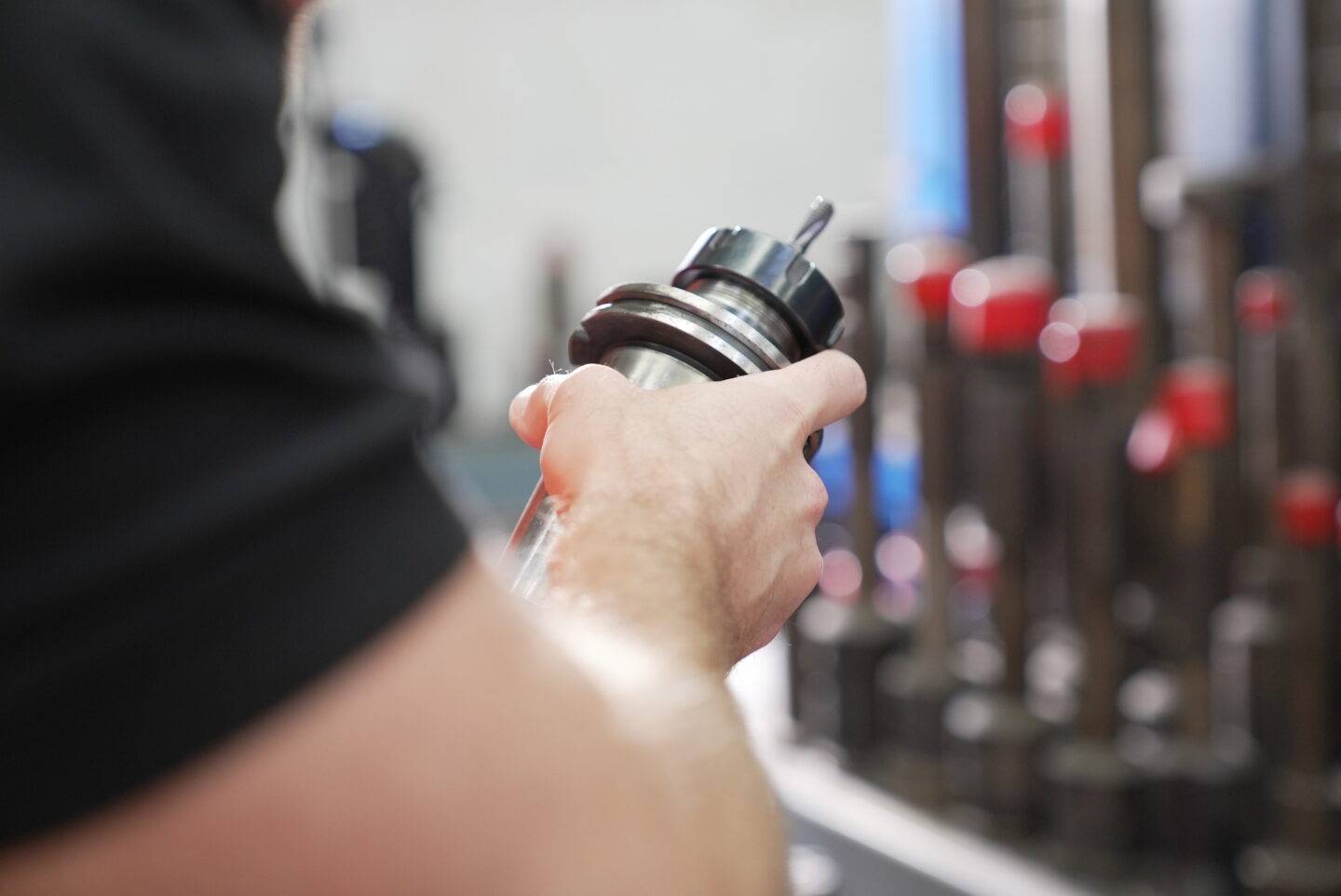
Tooling is one of several factors that can influence how readily a manufacturing operation adapts to change.
A well-considered tooling approach can support different component requirements, help manage changeovers and make it easier to plan for upcoming production.
Tool availability matters too. If a new job requires tooling that is not readily available, the operation may have the technical capability to produce the component but still struggle to accommodate it within the required timescale.
Helix explores this in more detail in Vending and Inventory: Making Tooling Availability Work Smarter, which looks at how tooling availability and inventory management can support production requirements.
Understanding tooling requirements alongside production plans can help manufacturers make more informed decisions about their ability to respond to changing demand.
Building flexibility around real requirements
There is no single model for a flexible manufacturing operation.
The right approach depends on the types of components produced, the range of customer requirements, available capacity and the commercial priorities of the business.
For some, flexibility may mean accommodating smaller batches. For others, it may mean switching between different components more efficiently or responding to changes in demand without undermining existing delivery commitments.
What matters is understanding where adaptability is genuinely valuable and making practical decisions that support it.
Manufacturing flexibility is not about being prepared for every possible scenario. It is about having the capability, information and planning needed to respond when requirements change, without losing sight of quality, productivity and cost.
Want more practical insights like this?