Why Understanding The Process Drives Consistency
Machining performance is shaped by the wider process, where small variations combine to influence consistency, stability, and overall results.
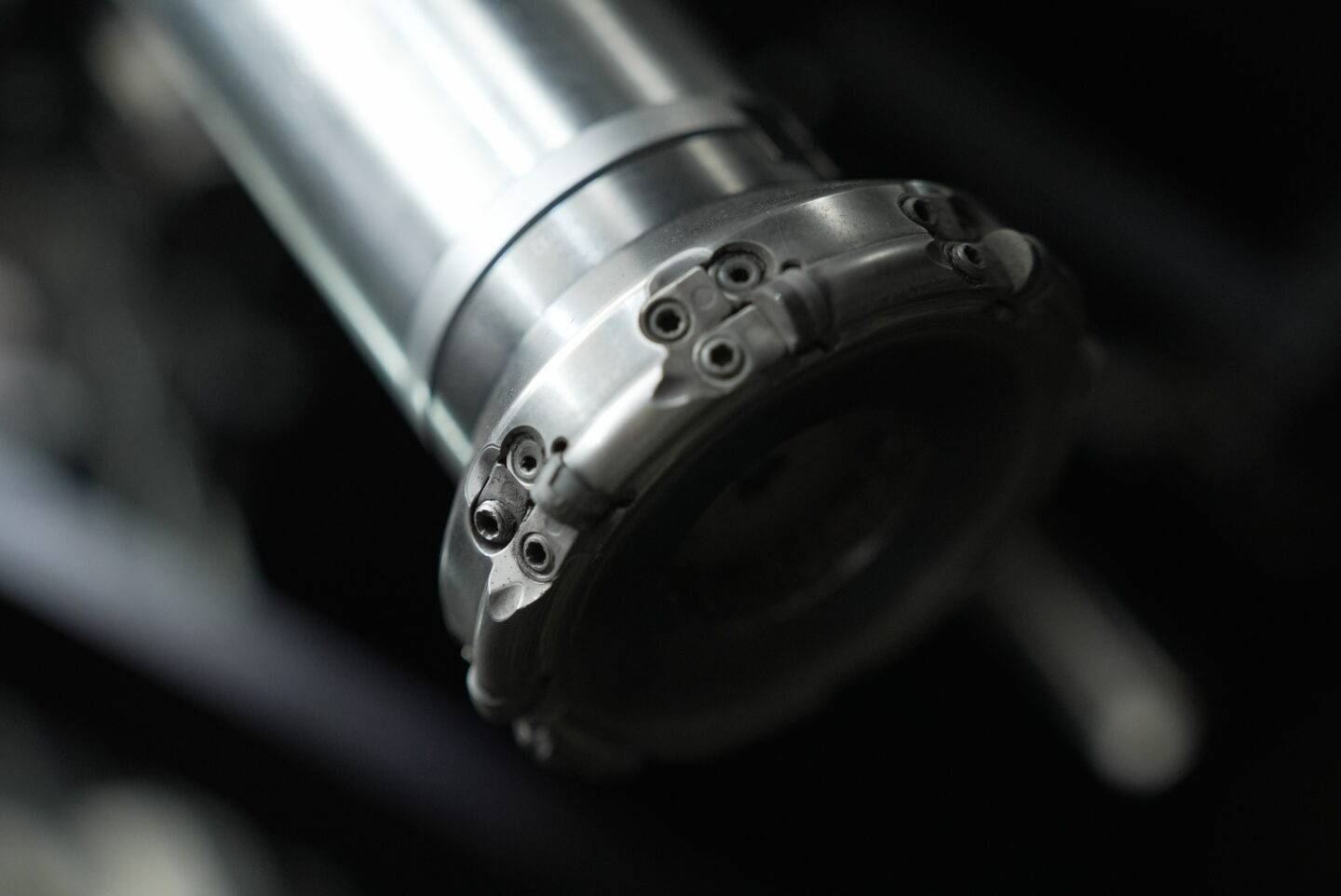
In machining, it is natural to focus heavily on the tool.
Tool selection, grades, geometries and coatings are all highly engineered, highly measurable and often the first area people look to when trying to improve performance. They are also easy to compare and easier to change.
But in practice, tooling is only one part of a much wider system.
What we consistently see is that many of the challenges manufacturers face don’t originate from a single decision or component. Instead, they build gradually over time.
A small variation in material batch.
A subtle change in setup.
A process adjustment made under pressure.
A machine running slightly differently on a different shift.
Individually, these factors are often negligible. But combined, they begin to influence consistency, tool life, surface finish and overall process stability.
Because each individual change is small, it is easy for them to go unnoticed – until performance starts to drift.
This is where a broader perspective becomes important.
Rather than focusing solely on the tool, it becomes more valuable to step back and consider the full process:
What material is actually being machined and how does it behave under load?
How stable is the setup over time?
Where are variations being introduced?
And how do those elements interact with the tooling strategy in place?
When those questions are explored together, the conversation changes.
Recent conversations at MACH reinforced this.
Across a wide range of applications and industries, many of the same underlying challenges continued to surface – often not as isolated issues, but as the result of multiple small factors building over time.
Issues that appear to be tooling-related often turn out to be process-related. And in many cases, the solution is not a complete change, but a more informed one.
That might involve refining cutting parameters, reviewing coolant strategy, improving setup consistency, or simply gaining a clearer understanding of how the material behaves under real conditions.
The key point is this:
Tooling doesn’t operate in isolation – it performs within a process.
At Helix, much of our focus is on helping bring those elements together – not just identifying tooling solutions, but understanding how they fit within the wider system.
Because when the full picture is understood, decisions become more confident, performance becomes more consistent, and improvements become more sustainable.
In many cases, the most meaningful gains don’t come from changing everything. They come from understanding how everything works together.
And it’s exactly these kinds of discussions that continue to surface across the industry.
Why not get more thoughtful and practical insights like this?