Optimised drilling process cuts cycle time by 35%
Conservative cutting data was holding back a stainless steel drilling operation. Helix Tools specified a new drill and led trials that cut cycle time by 35% while maintaining hole quality.
The challenge
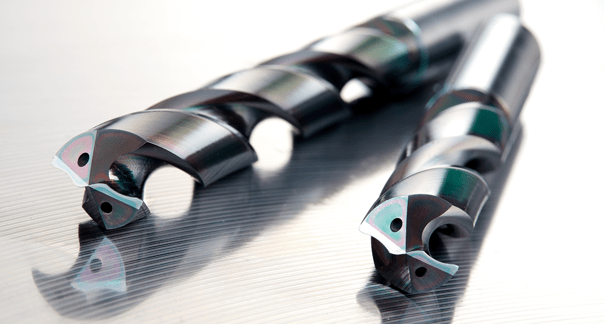
The customer was drilling holes in a stainless steel component with a 20mm solid carbide drill on a CNC machining centre. The process was reliable, but it ran on conservative cutting data, so the operation was taking longer than it needed to.
With volumes rising, the customer wanted more capacity. However, simply increasing speeds and feeds risked hole quality and tool life, so the customer needed a properly engineered solution, not guesswork.
How Helix solved it
Helix identified the opportunity during a review of the customer’s processes and assessed the existing drilling operation, including material, hole requirements, drill geometry and cutting data. The existing drill was the limiting factor: its geometry wasn’t designed for stainless steel, so it couldn’t run at higher parameters without risking quality.
Helix specified a solid carbide drill designed specifically for stainless steel, which could run at significantly higher speeds and feeds. Helix then led a structured trial, increasing cutting speed and feed rate step by step while monitoring hole quality, tool wear and tool life, until the optimum production settings were established.
The result
Drilling cycle time fell by approximately 35%, with hole quality and tool life maintained.
The customer now meets the same production requirement in less machine time, adding capacity without investing in more machinery. Helix calculated an estimated annual batch cost saving of more than £6,000 based on annual volumes.